Cloud-based gaming integrates rendering with network delivery to reduce local hardware needs. It hinges on latency budgets, bandwidth QoS, and edge compute, while shaping cloud economics and investment signals. User experience—responsive controls, steady frames, and visual fidelity—drives adoption, yet pricing tiers and partnerships modulate value and catalog diversity. As compute, networks, and edge strategies converge, access expands, but persistent challenges in latency, resilience, and ecosystem choice remain, inviting further scrutiny.
What Cloud Gaming Is and Why It Matters
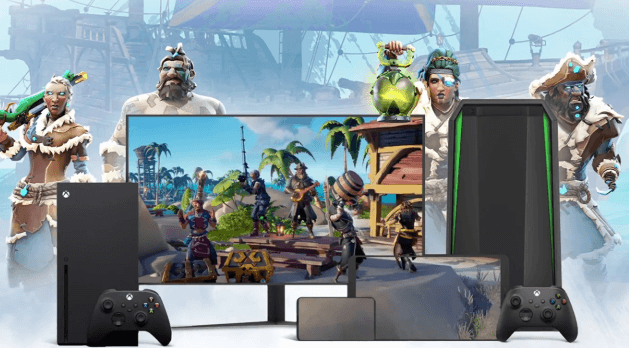
Cloud gaming refers to the delivery of video game processing and rendering over the internet, allowing players to stream gameplay to devices with minimal local hardware requirements.
The model enables scalable resources and accessible software libraries, shaping cloud economics and investment signals.
Its impact centers on user experience, where latency, input responsiveness, and consistent performance determine perceived value and adoption rates across diverse platforms.
How Latency, Bandwidth, and Hardware Interact
Latency, bandwidth, and hardware form a triad that dictates cloud gaming performance. The interplay governs responsiveness, image fidelity, and stability across networks. Latency budgeting quantifies permissible delay, guiding server placement and routing choices. Bandwidth prioritization allocates headroom for control signals versus video streams, reducing jitter. Hardware constraints set ceiling performance, informing client-device requirements and cloud-service provisioning for consistent user experience.
Business Models and Consumer Tradeoffs
The shift from technical constraints to business implications reframes how cloud gaming services are packaged and priced.
Data indicates varied pricing tiers, aiming to balance access and revenue stability.
Subscription models monetize ongoing access, while usage caps influence device-free flexibility.
Exclusive partnerships can differentiate catalogs but raise risk of lock-in, impacting consumer autonomy and perceived value.
The Road Ahead: Innovation, Challenges, and Access
Early indicators point to a convergence of compute advances, network investments, and adaptive pricing models that collectively expand the feasible surface area for cloud gaming.
The road ahead emphasizes an innovation roadmap that coordinates hardware, software, and edge strategies, while identifying accessibility gaps.
Analysts project measurable gains in latency reduction, resilience, and content parity, enabling broader adoption without compromising performance or sovereignty in user choice.
See also: newsdescribe
Frequently Asked Questions
How Secure Is My Saved Game Data in the Cloud?
The security of saved game data in the cloud varies, with notable security risks mitigated by data encryption, but no universal cloud storage guarantees; cross platform compatibility and transparent risk assessments remain essential for users seeking freedom.
Do I Need a Subscription to Start Playing?
Starting: No, a subscription is not strictly required to start playing; many services offer free tiers or pay-per-use options. However, subscription models often improve access, latency considerations, and library size, supporting a data-driven freedom choice for players.
Can Cloud Gaming Replace Owning a Console or PC?
Cloud gaming cannot fully replace owning a console or PC, though it offers flexible access; mobile latency and handheld streaming improvements shape viability, yet device ownership still ensures performance consistency, offline play, and broader library access for discerning, freedom-seeking users.
What Genres Benefit Most From Cloud Gaming?
Yes, some genres benefit: casual, strategy, and MOBAs leverage latency tolerance and streaming flexibility; however, quick-reaction titles suffer. The analysis tracks genres evolution against latency impact, revealing nuanced advantages for freedom-seeking players within data-driven constraints and irony.
How Does Cloud Gaming Handle Shared or Family Accounts?
Cloud gaming handles shared accounts by enforcing device limits and permission prompts, but shared login risks persist; analytics show inconsistent usage. Parental controls alignment remains uneven, requiring standardized configurations to balance access freedom with family safety and oversight.
Conclusion
The analysis shows cloud gaming hinges on a tight balance of latency, bandwidth, and cloud compute, with consumer value rising when responsiveness and fidelity meet expectation at sustainable cost. Data indicate tiered pricing and partnerships shape catalog breadth and user adoption, while edge strategies mitigate latency. Example: a hypothetical midsize retailer piloting local edge nodes to deliver 60–90 ms response for casual titles, boosting conversions while reducing consumer hardware barriers. Ongoing innovation must address resilience, accessibility, and ecosystem variety.