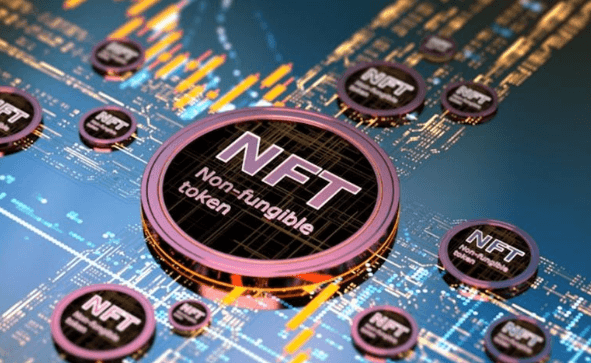
NFTs in the crypto world are unique digital tokens that anchor ownership to assets on a blockchain. They rely on smart contracts to govern transfers and provenance, while metadata and on-chain data provide auditable records. Value rests on rarity, utility, and verifiable history, tempered by market risk and liquidity concerns. Across art, music, and collectibles, practical use cases vary, and governance and fees shape creation and transfer. The implications warrant careful scrutiny as the landscape evolves, inviting questions that resist easy conclusions.
How NFTs Work: Ownership, Tokens, and Smart Contracts
NFTs function as unique digital tokens that represent ownership or provenance for assets stored on a blockchain.
The analysis examines ownership structure and how tokens map to rights, while metadata standards clarify what is recorded.
Smart contracts enforce terms and automate transfers, yet on chain provenance depends on transparent, verifiable data.
Cautious inquiry emphasizes clarity, freedom, and precise, auditable outcomes.
What Gives NFTs Value and How to Assess Risk
The value of non-fungible tokens rests not on superficial hype but on a convergence of rarity, utility, and verifiable provenance that can be audited on a blockchain.
Value drivers include rarity, utility, and verification; risk factors encompass market volatility, provenance doubt, and platform illiquidity.
Use cases, while diverse, hinge on creation steps, metadata integrity, and transparent governance for sustainable assessment.
Common NFT Use Cases Across Art, Music, and Collectibles
Across art, music, and collectibles, NFT use cases reveal how digital ownership dovetails with verifiable provenance and creator incentives.
The investigative lens highlights art trading dynamics and royalty structures, where fractionalized assets and programmable payments shape incentives.
In music licensing and metadata standards, provenance underpins trust, while creators calibrate access, scarcity, and rights to align autonomy with market demand.
Getting Started: Practical Steps to Buy, Sell, or Create NFTs
Getting started with NFTs requires a careful, evidence-based approach: readers are invited to map the practical steps for buying, selling, or creating tokens, while weighing technical requirements, costs, and risks.
The analysis remains detached, examining wallet setup, platform choice, and smart-contract risk, then proceeding to purchase, listing, or minting.
Vigilance, cost awareness, and strategic planning define a disciplined, practical steps approach.
See also: What Are Governance Tokens in Crypto
Frequently Asked Questions
How Do NFTS Affect Copyright and Licensing Rights?
NFT ownership intersects with licensing implications and copyright enforcement, yet ownership does not automatically transfer all rights; market licensing varies, requiring vigilance. The investigation suggests cautious appraisal of licenses, while recognizing evolving frameworks and the need for transparent terms.
Can NFTS Lose Value Instantly Due to Market Liquidity?
NFT liquidity can cause instantaneous value drops during market spikes, though not guaranteed. The investigation shows liquidity imbalances may trigger abrupt declines, while long-term value depends on demand, utility, and perceived permanence of assets in volatile markets. Analysts remain cautious.
Are There Environmental Concerns With NFT Networks and Mitigations?
Environmental impact and energy usage are considerations for NFT networks. The analysis notes potential ecological concerns, especially proof-of-work systems. Mitigations include transitioning to proof-of-stake, layer-2 solutions, and energy transparency to support informed, freedom-oriented decisions.
How Do Royalties and Creator Payments Work Over Time?
During the investigation, royalties operate via smart contracts, ensuring ongoing creator revenue models through predefined percentages and time-based terms; however, variability exists across platforms, requiring cautious, analytical assessment of royalty structures and potential shifts in payment streams. Anachronism: “galley.”
What Happens if the Issuing Contract Is Hacked or Corrupted?
If the issuing contract is hacked or corrupted, burned contracts and governance disputes may ensue, while phishing scams prey on trust; stock tokens could propagate faulty logic, prompting audits, forensics, and cautious reform to restore user autonomy.
Conclusion
NFTs are a curious blend of ownership claims and digital theater. Investigators note that tokens encode rights, not guarantees of value, while metadata and on-chain history offer provenance as theater to watch. Analysts caution that liquidity, market ideals, and hype can distort risk assessments. In this sober satire, custodians and creators alike should question worth beyond novelty, balancing curiosity with discipline. The conclusion: treat NFTs as verifiable provenance with caveats, not guaranteed assets, and proceed with measured skepticism.